- 1. Tax Accountant Fees in London: What You Will Actually Pay
- 2. What Does a Tax Accountant in London Do?
- 3. Who Are Chartered Certified Accountants?
- 4. Why Choose an ACCA-Qualified Tax Accountant in London?
- 5. UK Tax Deadlines and Penalties: 2026/27
- 6. How to Choose the Right Tax Accountant in London
- 7. Why Choose Synergy Tax Accountants in London?
- Conclusion
Looking for a reliable tax accountant in London who understands your financial needs, meets HMRC deadlines and provides clear advice on managing your tax affairs? Synergy Tax Accountants offers professional accounting and tax services for individuals, self-employed professionals, landlords, contractors and limited companies.
Synergy Tax Accountants is an ACCA accountancy practice based at 25 North Row, Mayfair, London, W1K 6DJ, with a second office in Southend-on-Sea. We support clients with Self Assessment, personal tax planning, VAT returns, payroll, Corporation Tax and Making Tax Digital.
Whether you need help with an individual tax return or ongoing support for your business, our team aims to make tax compliance straightforward. We explain our fees before work begins, help you understand your responsibilities and provide practical guidance based on your circumstances. In this guide, you will learn about tax accountant fees in London, professional qualifications, important UK tax deadlines and what to consider when choosing an accountant.
1. Tax Accountant Fees in London: What You Will Actually Pay
The cost of hiring a tax accountant in London depends on the services you need, the complexity of your finances and the amount of work involved. At Synergy Tax Accountants, we provide the following starting fees to help clients understand the potential costs before making a decision.
| Accounting Service | Who It Is For | Fee From |
| Self Assessment Tax Return | Employed individuals with one income source | £180 |
| Complex Self Assessment | Landlords, CGT and foreign income | £350 |
| Sole Trader Accounts and Tax Return | Self-employed individuals | £450 |
| Limited Company Accounts and CT600 | Micro and small companies | £950 |
| Quarterly VAT Returns | VAT-registered businesses | £75 per return |
| Payroll Services | Per employee, per month | £6 |
| Making Tax Digital Filings | Eligible sole traders and landlords | £240 per year |
| Monthly Bookkeeping | Small businesses using cloud accounting | £150 per month |
| HMRC Enquiry Support | Individuals and businesses under HMRC review | Quoted per case |
Why do accountant fees vary?
The final cost usually depends on transaction volume, the condition of financial records, the number of income sources and the complexity of your tax position. For example, a landlord with three properties and well-maintained accounting records may require less work than a self-employed individual with incomplete records and several income sources. We discuss your requirements during an initial consultation and explain the relevant fees before starting the work.
2. What Does a Tax Accountant in London Do?
A tax accountant is a financial professional who helps individuals and businesses calculate, manage and report their tax liabilities in accordance with UK tax legislation. A tax accountant in London can also provide tax planning advice, prepare financial records and help clients meet their obligations to HM Revenue and Customs (HMRC). Their responsibilities vary depending on whether they work with individuals, sole traders, landlords or limited companies.
Key Responsibilities of a Tax Accountant
Tax Planning
A tax accountant reviews your financial circumstances and identifies legitimate tax reliefs, allowances and planning opportunities. This can help you make informed financial decisions and avoid paying more tax than legally required.
HMRC Compliance
Accurate tax reporting is essential for avoiding unnecessary complications. An accountant can prepare and submit relevant tax returns, monitor filing deadlines and help you meet your HMRC obligations.
Personal and Business Tax Management
Tax accountants support individuals with Self Assessment and personal tax planning. For businesses, their work may include VAT returns, Corporation Tax, payroll and other accounting responsibilities.
Financial Guidance
Beyond preparing tax returns, an experienced accountant can help you understand your financial position, manage cash flow and plan for future business requirements. Choosing the right professional can therefore provide support with both everyday tax compliance and longer-term financial planning.
3. Who Are Chartered Certified Accountants?
Chartered Certified Accountants are finance professionals who have completed the professional qualification requirements of the Association of Chartered Certified Accountants (ACCA). These requirements include professional examinations, relevant practical experience and compliance with professional standards. The ACCA qualification is internationally recognised and provides a strong foundation in accounting, taxation, financial reporting and business management. Working with an appropriately qualified accountant can give individuals and businesses greater confidence when dealing with complex financial matters.
Difference Between Chartered and Non-Chartered Accountants
The main difference relates to professional qualifications, membership requirements and regulatory obligations. In the UK, the title accountant is not legally restricted to qualified professionals. However, chartered accountancy qualifications demonstrate that an individual has completed a recognised professional training route. ACCA members are required to follow professional and ethical standards. Depending on the services provided, additional authorisations and regulatory requirements may also apply. Synergy Tax Accountants operates as an ACCA accountancy practice. Clients can check relevant professional membership and practice information through the ACCA website.
4. Why Choose an ACCA-Qualified Tax Accountant in London?
Choosing an appropriately qualified tax accountant can make a difference to how you manage your personal or business finances. Professional training, practical experience and knowledge of UK tax legislation can help you deal with responsibilities more confidently.
Here are some important benefits to consider.
Professional Knowledge and Expertise
Tax legislation covers different areas, including income tax, Corporation Tax, VAT and capital gains tax. An accountant with relevant professional training can help you understand how these rules apply to your circumstances.
Understanding of UK Tax Legislation
Tax regulations and reporting requirements can change. A professional accountant needs to keep their knowledge current to provide relevant advice and help clients meet their responsibilities.
Support for Individuals and Businesses
A tax accountant can assist employed professionals, landlords, contractors, sole traders and limited companies. This means you can access services that reflect your financial position rather than relying on general tax information.
Assistance With Complex Tax Matters
Some tax situations require additional attention, particularly where clients have rental income, overseas income, capital gains or complicated business arrangements.
An experienced tax professional can review the circumstances, explain the available options and assist with relevant HMRC correspondence.
Professional Standards and Accountability
ACCA members must comply with applicable professional and ethical requirements. These standards help establish accountability and provide clients with additional confidence when selecting an accounting professional.
Speak to our accounting and tax services
Our ACCA regulated team in Mayfair can review your situation and make sure you get it right first time.
Find out more Free consultation5. UK Tax Deadlines and Penalties: 2026/27
Understanding important tax deadlines helps individuals and businesses organise their financial records and avoid unnecessary penalties.
The following dates cover common UK tax obligations. Your exact responsibilities may depend on your business structure, accounting period and tax circumstances.
| Deadline | Who It Applies To | Requirement |
| 5 October | Newly self-employed individuals | Register for Self Assessment where required |
| 31 October | Individuals submitting paper returns | Submit the relevant Self Assessment tax return |
| 31 December | Eligible individuals using PAYE tax codes | Submit online return by this date if requesting tax collection through a PAYE code |
| 31 January | Self Assessment taxpayers | Submit online return and pay tax due |
| 31 July | Taxpayers required to make payments on account | Pay the second payment on account |
| 9 months and 1 day after accounting period | Most limited companies | Pay Corporation Tax |
| 12 months after accounting period | Limited companies | Submit Corporation Tax return |
| Usually 1 month and 7 days after VAT period | VAT-registered businesses | Submit VAT return and make payment |
| 19th or 22nd of each month | Employers | Pay PAYE and National Insurance contributions, depending on payment method |
Self Assessment Late Filing Penalties
Missing a Self Assessment deadline can result in financial penalties.
Under the standard late filing rules, the penalties generally include:
| How Late Is the Return? | Potential Penalty |
| 1 day late | £100 fixed penalty |
| 3 months late | £10 per day, up to £900 |
| 6 months late | 5% of tax due or £300, whichever is greater |
| 12 months late | A further 5% of tax due or £300, whichever is greater |
Additional late payment penalties and interest may also apply.
Making Tax Digital: What Sole Traders and Landlords Need to Know
Making Tax Digital (MTD) is changing how eligible sole traders and landlords maintain records and report income to HMRC.
From 6 April 2026, individuals with qualifying income above £50,000 from self-employment and property, based on their 2024/25 tax return, are required to use Making Tax Digital for Income Tax, subject to eligibility and exemptions.
The threshold is scheduled to reduce to:
- More than £30,000 from 6 April 2027.
- More than £20,000 from 6 April 2028.
Eligible individuals need compatible software to maintain digital records and submit quarterly updates to HMRC.
For the 2026/27 tax year, HMRC has confirmed that late quarterly update penalties will not apply during the first year for those required to join from April 2026. Other tax return and payment obligations still apply.
An accountant can help you understand whether MTD applies to you, prepare your records and select suitable accounting software.
6. How to Choose the Right Tax Accountant in London
Selecting a tax accountant is an important financial decision. The right professional should understand your circumstances, explain their services clearly and provide appropriate support throughout the year.
Consider the following factors before making your choice.
Check Professional Qualifications
Look for relevant professional qualifications, such as ACCA or ICAEW membership. You can also check whether the firm has the necessary authorisation to provide the services you require.
Consider Relevant Experience
Different clients have different accounting needs. A sole trader may need Self Assessment and bookkeeping support, while a limited company may require annual accounts, Corporation Tax and payroll services.
Choose an accountant who understands your type of work and financial responsibilities.
Review the Range of Services
Some accounting firms specialise in tax returns, while others provide broader financial and business support.
Depending on your requirements, useful services may include:
- Personal tax returns and tax planning
- VAT registration and VAT returns
- Corporation Tax and annual accounts
- Payroll and pension administration
- Bookkeeping and management accounts
- HMRC enquiry and investigation support
Choosing a firm that offers relevant services can make ongoing financial management easier.
Look for Transparent Fees and Communication
Before appointing an accountant, ask how fees are calculated, what is included and whether additional charges may apply.
Clear communication is equally important. Your accountant should explain financial matters in understandable language and respond to queries within a reasonable timeframe.
Read Client Reviews and Testimonials
Client feedback can help you understand how an accounting firm communicates and supports its customers.
Consider reviews alongside professional qualifications, relevant experience and the services offered.
7. Why Choose Synergy Tax Accountants in London?
Synergy Tax Accountants provides accounting and tax support for individuals, self-employed professionals, landlords, contractors and businesses. Based in Mayfair, London, the practice offers services covering personal taxation, business accounting and financial management.
Our aim is to help clients maintain accurate financial records, understand their tax responsibilities and manage important reporting deadlines.
Business Accounting and Bookkeeping
Keeping financial records accurate and organised is essential for effective business management.
Our Bookkeeping and Accountancy services help businesses maintain up-to-date records and manage routine accounting responsibilities.
If you are establishing a new business, our Business Start-Up services can help you understand the financial and administrative requirements involved in setting up your company.
Company Administration and Corporate Finance
As businesses grow, their financial and administrative requirements can become more complicated.
Synergy Tax Accountants provides support with Company Secretarial responsibilities and Corporate Finance requirements, helping businesses manage relevant financial and administrative matters.
Corporate Tax Planning and Compliance
Corporation Tax planning is an important part of managing a limited company’s finances.
Our Corporate Tax and Planning services help businesses understand their tax responsibilities, consider available reliefs and prepare for relevant reporting deadlines.
We also provide VAT and payroll support, alongside Construction Industry Scheme (CIS) accounting services.
Management Accounts and Cash Flow Forecasting
Understanding business performance requires more than looking at annual accounts.
Our Detailed Management Report Packs and cash flow forecasting services help business owners review financial performance, monitor important figures and make informed decisions.
We also assist with Annual Accounts and Corporation Tax Returns, helping companies organise their financial reporting requirements.
Personal Tax Planning and Self Assessment
Individuals may have different tax responsibilities depending on their employment, investments, property income and other financial circumstances.
Our Personal Tax Planning services help individuals understand their tax position and consider appropriate planning opportunities.
If you need assistance preparing and submitting your annual tax return, our Self Assessment service can help you manage the process and meet the relevant HMRC deadline.
Cloud Accounting and Digital Tax Services
Digital accounting tools can make financial record-keeping more efficient and accessible.
Through our Cloud Accounting services, businesses can benefit from modern accounting processes and better organised financial information.
We also provide Virtual Finance and CFO Advisory for businesses seeking additional financial guidance without employing a full-time finance director.
Our Special Sector Expertise supports businesses with sector-specific accounting requirements, while our Tax Investigation services provide assistance with relevant HMRC enquiries.
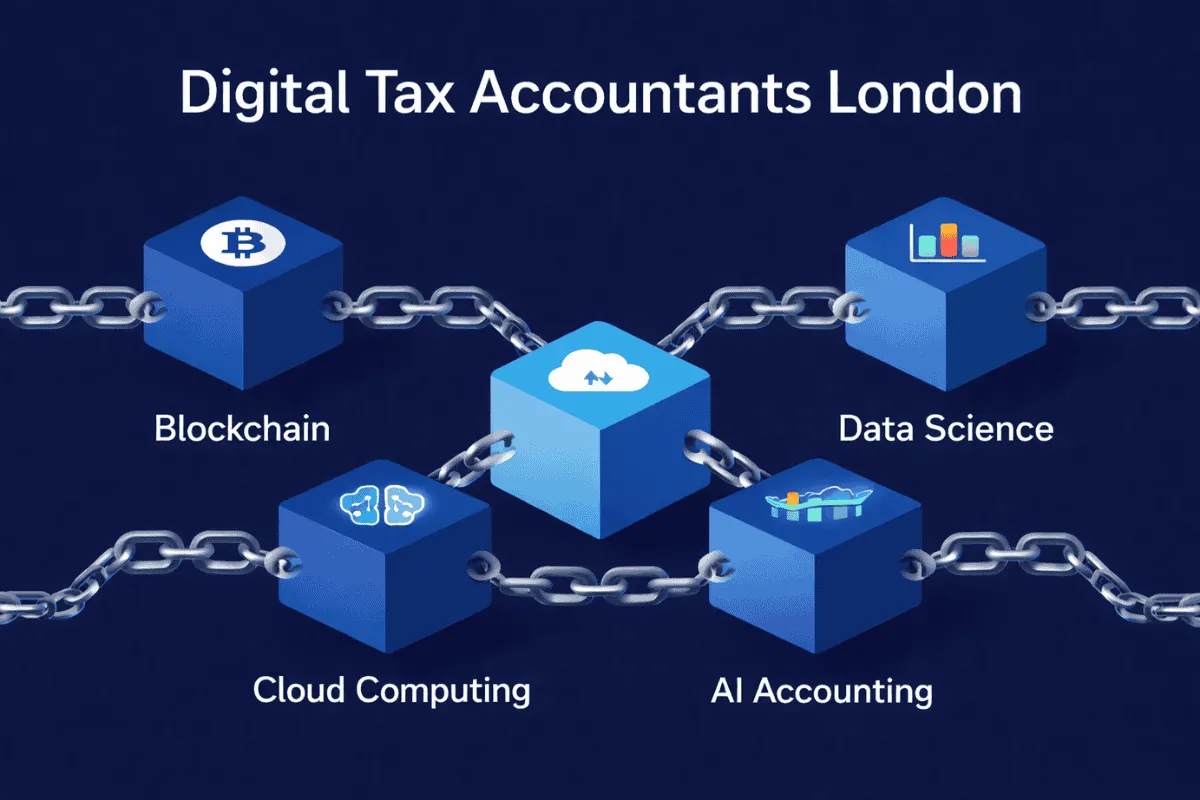
For businesses looking to modernise their accounting processes, our Digital Tax Accountants London service covers digital accounting solutions, including the use of accounting APIs and connected systems.
Conclusion
Choosing the right tax accountant in London can help you manage financial responsibilities, maintain accurate records and stay on top of HMRC requirements.
Whether you are an individual completing a Self Assessment return, a landlord managing rental income or a business dealing with VAT and Corporation Tax, professional accounting support can make your financial responsibilities easier to manage.
Synergy Tax Accountants provides a range of personal and business accounting services from its Mayfair office. Our focus is on clear communication, organised financial management and practical support based on each client’s requirements.
If you are looking for an accountant in London, contact Synergy Tax Accountants to discuss your accounting needs and understand which services may be suitable for you.
Chartered certified accountants regulated by ACCA, based in Mayfair, London and Southend-on-Sea. This guide is general information, not personal advice. Contact us for advice on your situation.