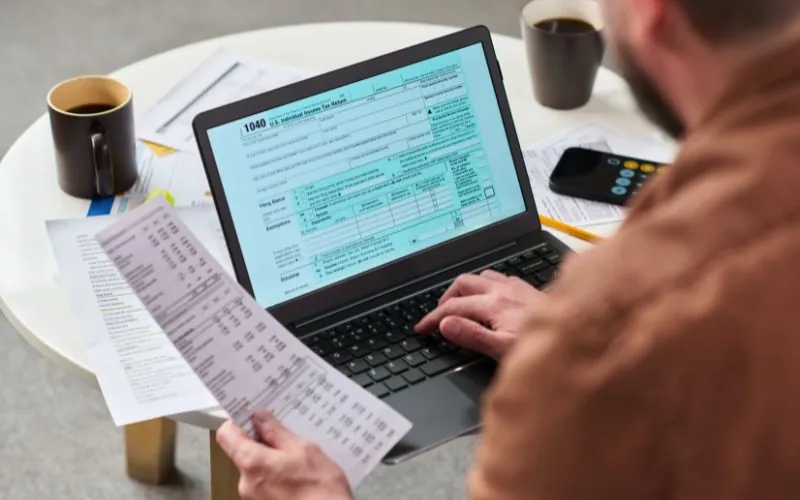
Being unable to pay tax can be absolutely stressful. If you cannot pay your Corporation Tax, VAT or Self Assessment by the deadline date, HMRC provides a payment plan option which enables you to spread the payments out to a number of months, allowing you to get back on your feet again. These are commonly referred to as Time to Pay arrangements. This article will outline the current rules for 2026, the online self-serve thresholds and the steps to take to get an agreement prior to HMRC pursuing aggressive debt recovery measures.
What is an HMRC Time to Pay Arrangement?
An HMRC Time to Pay (TTP) arrangement is an agreement between a taxpayer and HM Revenue & Customs which allows the former to settle the outstanding balance in monthly installments. At the core of the TTP arrangements lies the concept that the payment plan should bridge a temporary cash-flow problem which a taxpayer experiences while their business is viable. HMRC will never reduce the total amount of tax owed, and they will not agree to any arrangement if they believe that the business is permanently insolvent. Instead, they base the agreement purely on what you can realistically afford to pay over an agreed period. Most agreements run for six to twelve months. In exceptional circumstances, HMRC may agree to a longer term, provided there is robust financial evidence to support the request.
Who Can Apply for an HMRC Payment Plan?
A payment plan can cover almost any UK tax liability. This includes:
- Self Assessment Income Tax
- Corporation Tax
- VAT
The facility is available to sole traders, limited company directors, landlords, and high-net-worth individuals. However, you will need to demonstrate to HMRC that you can afford the monthly TTP repayments, while also paying all of your new, as yet unpaid, tax liabilities as they fall due.
2026 Online Self-Serve Thresholds
For straightforward cases, you can set up a payment plan online via your Government Gateway account. This bypasses the need to speak directly with an HMRC Payment Plan adviser.
Self Assessment Payment Plans
You can use the automated self-serve tool if you meet all the following criteria:
- You have no other active payment plans or existing debts with HMRC.
- You have filed your latest tax returns.
VAT Payment Plans
VAT-registered businesses can also arrange a payment plan online without calling HMRC, provided:
- You have filed your most recent VAT return on time.
- You set up the arrangement within 28 days of the payment deadline.
- You plan to clear the total VAT debt within six months.
If your company has debt exceeding any of the above thresholds, Corporation Tax, or if you need to repay over a longer period, HMRC Payment Plan for online portal will decline your application. In such cases, you are required to contact the relevant HMRC department to reach an alternative bespoke agreement.
Speak to our HMRC investigation support
Our ACCA regulated team in Mayfair can review your situation and make sure you get it right first time.
Find out more Free consultationPractical Example: How a Time to Pay Arrangement Works
Due to a large overdue invoice from a major client, the company is facing a cash flow shortfall and cannot meet its obligations to HMRC. Rather than waiting for the payment to be due, the director contacts HMRC and asks to set up a payment plan for six months. HMRC approves the proposal. The company pays via monthly direct debit.
Common Mistakes When Setting Up a Payment Plan
- Defaulting on future tax liabilities
The single most common reason HMRC terminates a Time to Pay arrangement is a taxpayer failing to pay their new tax bills. If you have a plan for last year’s Corporation Tax but miss this quarter’s VAT payment, you breach the arrangement and lose its protection.
- Over-promising on affordability
Directors and sole traders often panic and agree to high monthly repayments they cannot sustain. If you default on an agreed instalment, HMRC may demand the entire remaining balance immediately and move forward with debt collection action.
- Leaving it too late
Engaging with HMRC proactively before the deadline shows financial responsibility. Waiting until debt collectors are issuing final demands severely reduces your chances of securing favourable repayment terms.
When Should You Speak to an Accountant?
The online self-serve system makes handling small Self Assessment or VAT debts relatively simple. However, you should consult an accountant before approaching HMRC if:
- You have multiple overlapping tax debts (for example, Corporation Tax and PAYE simultaneously).
- HMRC has requested management accounts or a detailed cash flow forecast to justify a longer repayment term.
- You are uncertain whether your underlying business remains viable.
How Synergy Tax Accountants Can Help
Negotiating with HMRC requires careful preparation, especially for complex corporate liabilities. Proposing a repayment structure without the right financial evidence can result in instant rejection. At Synergy Tax Accountants, we help businesses and individuals manage their financial compliance effectively. We can review your position, prepare accurate cash flow forecasts, and advise on the best approach before you contact HMRC. If you are concerned about an upcoming tax liability, get in touch with our team today to arrange a consultation and explore your options.
Chartered certified accountants regulated by ACCA, based in Mayfair, London and Southend-on-Sea. This guide is general information, not personal advice. Contact us for advice on your situation.