- Why Preparing Your Tax Return Early Benefits Your Cash Flow
- Allowable Expenses: Reducing Profit Without Unnecessary Spending
- Operating as a Sole Trader vs Limited Company in Southend & East London
- Essential Checklist for January Preparation
- How Synergy Tax Accountants Supports Businesses in Southend & East London
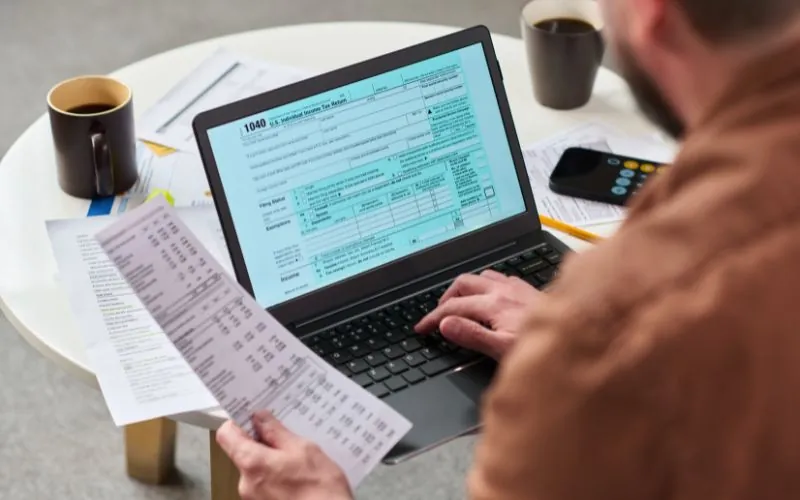
Filing your self assessment accountant London tax return in good time means that you can determine your liability, plan your payments on account correctly and make sure you are claiming all allowable business expenses. By appointing an accountant in Southend or East London, you will be able to take your time in considering what expenses are allowable and to get your records in order, thus avoiding a hefty penalty from HMRC of £100 plus any interest due on late filing. As many business owners think that tax returns should be filed as late as possible, when they are not actually aware of the tax implications, they often file their tax returns towards the end of January. Businesses, in trying to save money on their tax bill, often incur more expenditure to wrongly reduce their taxable profits and, by rushing their tax return, they may forget to include some expenses. To reduce a tax bill you must make sure that all available expenses are claimed, rather than buying a new computer at the end of the financial year just to claim it against your tax bill
Why Preparing Your Tax Return Early Benefits Your Cash Flow
Filing your return in October or November does not mean HMRC demands payment any sooner. The payment deadlines for the 2025/26 tax year remain fixed: 31 January 2027 for your balancing payment and first payment on account, and 31 July 2027 for your second payment on account. Preparing the figures early gives you visibility over your cash obligations months in advance. If your business profits dropped compared to the previous tax year, you can apply to HMRC to reduce your payments on account before the January deadline, preventing you from overpaying tax and starving your business of working capital. If you submit a return late, HMRC will levy an immediate £100 fixed penalty (even if you owe no tax or have already paid your liability) and if the return is more than three months late, daily penalties of £10 per day apply (up to a maximum of £900) followed by further percentage based penalties at 6 and 12 months.
Allowable Expenses: Reducing Profit Without Unnecessary Spending
One of the most common misunderstandings by sole traders and SME directors is that any expense payable from a business account is automatically tax deductible. HMRC legislation stipulates that an expense has to be incurred ‘wholly and exclusively’ for the purposes of the trade.
What Sole Traders and Directors Can Claim
- Home office running costs: Sole traders can claim costs on a simplified basis based on the number of hours you work at home each month or calculate the proportion of your household bills (electricity, gas, and broadband) based on room and time worked. Directors of limited companies can reclaim HMRC’s tax-free homeworking allowance of £6 per week without receipts, provided there is an agreement to work from home.
- Professional fees and subscriptions: Professional indemnity insurance, trade association subscriptions relevant to your line of work, bank charges on business accounts, and accountancy fees related to your trade are all allowable.
Speak to our Self Assessment tax return service
Our ACCA regulated team in Mayfair can review your situation and make sure you get it right first time.
Find out more Free consultationOperating as a Sole Trader vs Limited Company in Southend & East London
Consider which business structure has the best profit margin, commercial risks, and administrative capacity, not the most apparent short-term tax saving. Limited companies pay Corporation Tax on trading profits. Directors’ incomes are then extracted as a combination of a tax-efficient salary and dividends. Though it provides good tax benefits and protection, limited companies’ operation involves significant administrative costs and has more stringent statutory requirements (Companies House filings and tax returns). Leaving aside substantial extra administrative costs and strict tax compliance, converting to a limited company to save on taxes has little point.
Essential Checklist for January Preparation
The submission of correct records is a must before preparing your return to ensure that all figures reconciled against the bank are in line with those expected by HMRC.
- Income Records: Invoices raised, sales report from merchant processors as well as the bank statements for the period 6 April and 5 April.
- Expense Documents: All the itemized receipts, invoices and statements of payments made on all expenses claimed.
- Employment and State Related: P60 or P45 in case you had any employment income together with statements regarding any state benefits or pension contributions.
- Property or Investment Income: Information relating to rental income and expenses on let property, dividend vouchers and statements of capital gains.
How Synergy Tax Accountants Supports Businesses in Southend & East London
The challenges of dealing with your tax affairs can often appear daunting and complicated, but they can also be simple and straightforward when you keep correct records, deal with them appropriately and plan your finances wisely. Synergy Tax Accountants deals with the tax returns of sole traders, partnerships and owner managed limited companies in Southend-on-Sea, accountants East London and the surrounding Essex area. We can look at your books and advise you on what allowances you are due to claim, calculate your liabilities and prepare and submit your tax return to HMRC well ahead of any deadlines. We pride ourselves on a professional and methodical approach to your specific needs and requirements.
Chartered certified accountants regulated by ACCA, based in Mayfair, London and Southend-on-Sea. This guide is general information, not personal advice. Contact us for advice on your situation.